
Planting Pumpkin Seeds: How to Grow a Healthy Pumpkin Patch
Planting pumpkin seeds is a fun, beginner-friendly project that ends with a harvest you can carve, cook, or show off. All you need is a sunny spot, warm soil, and a little patience.
Pumpkins take 90 to 120 days to mature, depending on the variety. That means your planting date matters more than almost anything else you do.
This guide covers when to sow, how to plant, and how to care for your vines all the way to harvest. Follow along and you’ll have a patch worth bragging about by fall.
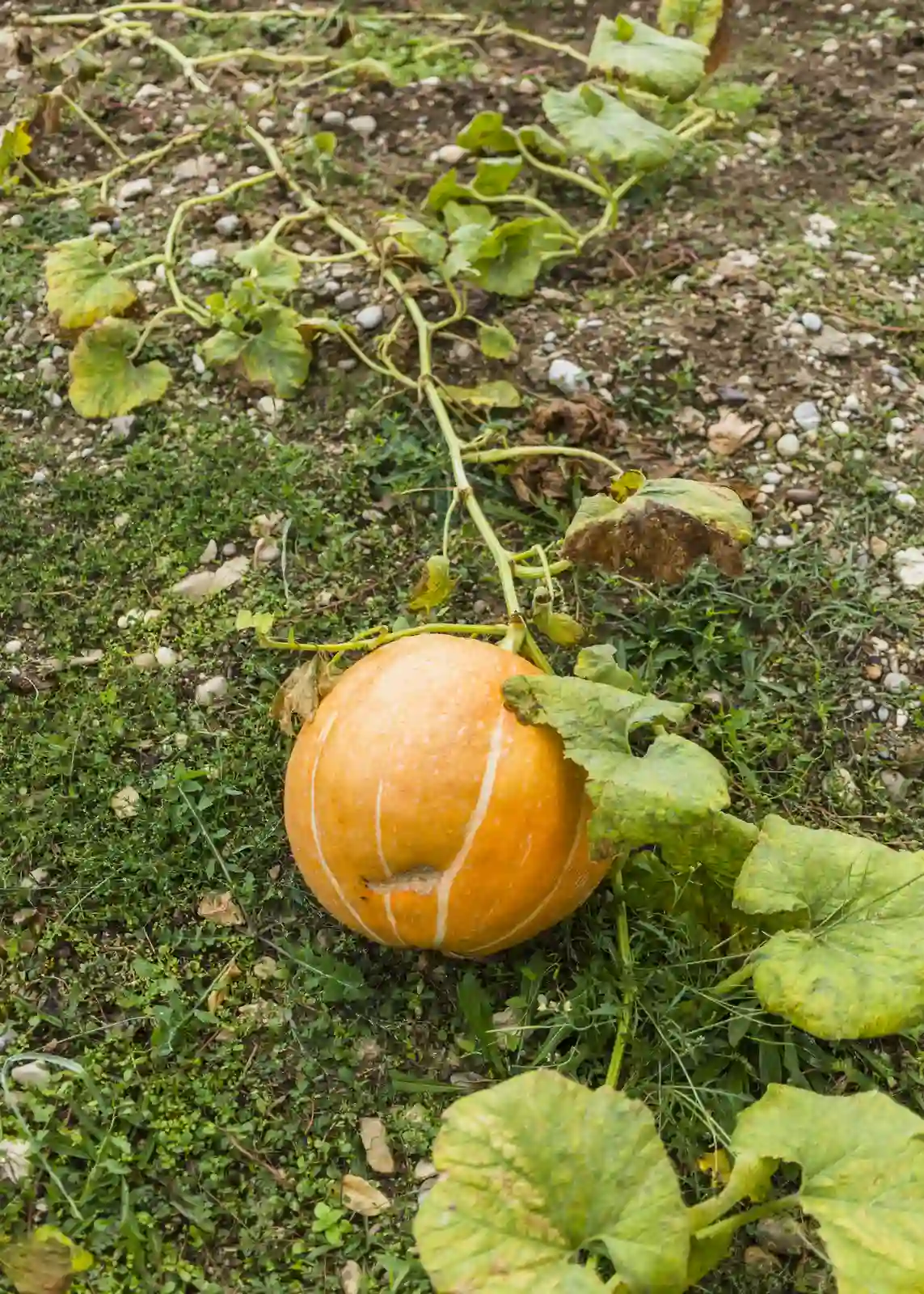
How to Plant Pumpkin Seeds Step by Step
Pumpkins grow best when you sow them directly where they’ll spend the season. Work through these steps in order and your seeds will have everything they need.
Time It Right
Sow outdoors once frost danger has passed and the soil reaches at least 65°F (18°C), ideally 70°F or warmer. For a Halloween harvest, count back from late October using the days to maturity on your seed packet.
Pick a Sunny, Roomy Spot
Pumpkins need at least 6 to 8 hours of full sun every day. Vining types can sprawl 10 to 20 feet, so give them space or choose a compact bush variety for small gardens.
Enrich the Soil
Pumpkins are heavy feeders that love rich, well-draining soil. Mix 2 to 3 inches of compost or aged manure into each planting area before you sow.
Build Low Hills
Mound the soil into low hills about 18 to 24 inches wide, spaced 4 to 8 feet apart. Hills warm up faster in spring and drain better after heavy rain.
Sow the Seeds
Plant 4 or 5 seeds about 1 inch deep in each hill, laying them flat. Water well and expect sprouts in 5 to 10 days.
Thin to the Strongest Plants
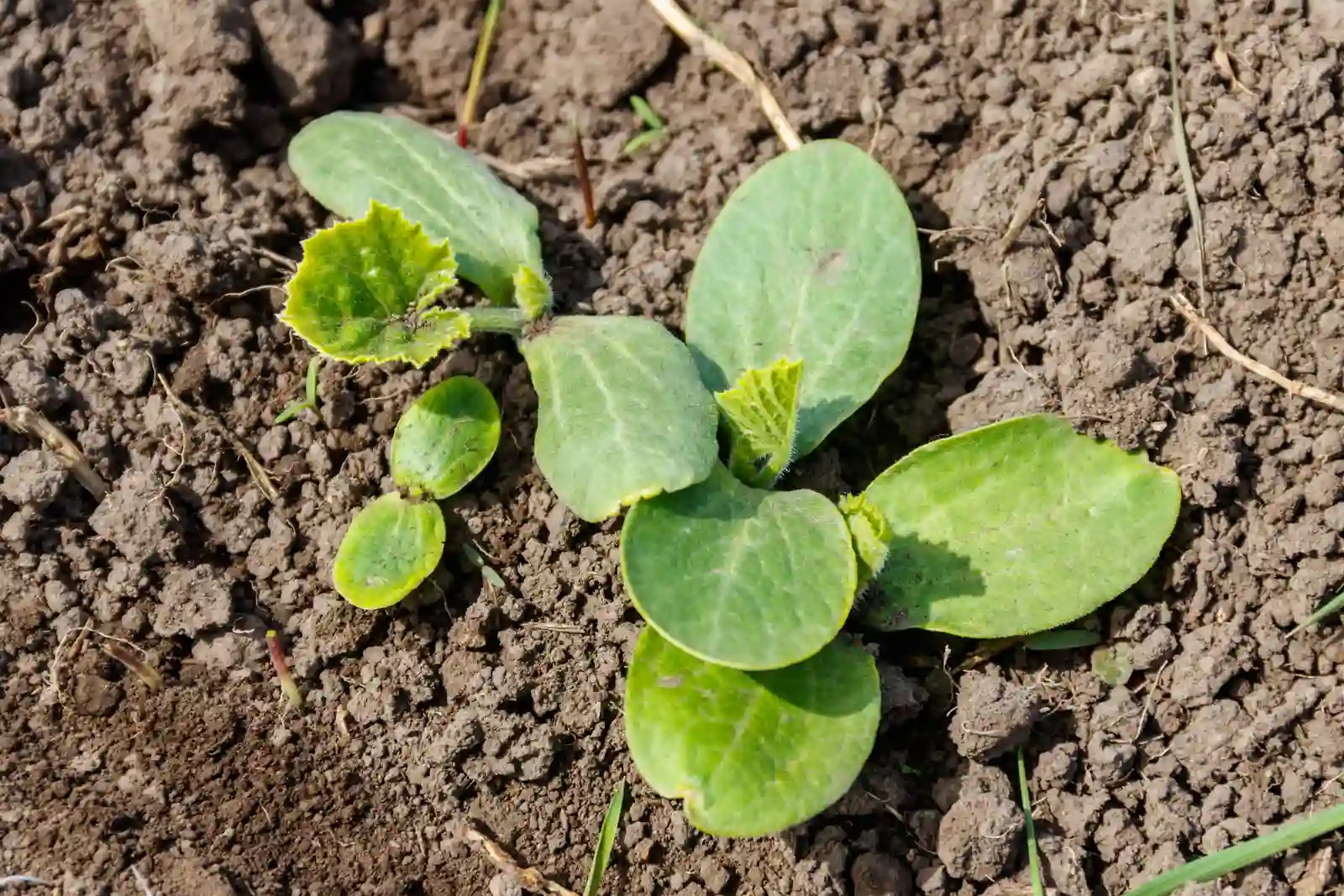
When seedlings have two or three true leaves, keep the two or three strongest in each hill. Snip the rest with scissors at soil level so you don’t disturb the remaining roots.
Caring for Your Pumpkin Plants
The weeks after planting pumpkin seeds shape how big and healthy your harvest will be. A little steady attention goes a long way.
Water Deeply
Give your plants about 1 inch of water per week, more during hot, dry spells. Water at the base in the morning and keep leaves dry to reduce powdery mildew.
Mulch and Weed
Spread straw or shredded leaves around your plants once the soil has warmed. Mulch holds moisture, blocks weeds, and gives developing pumpkins a clean, dry place to rest.
Help With Pollination
Pumpkins rely on bees to carry pollen from male flowers to female flowers, which have a tiny pumpkin at their base. If young fruit keeps falling off, move the pollen yourself with a small paintbrush in the morning.
Harvest at the Right Time
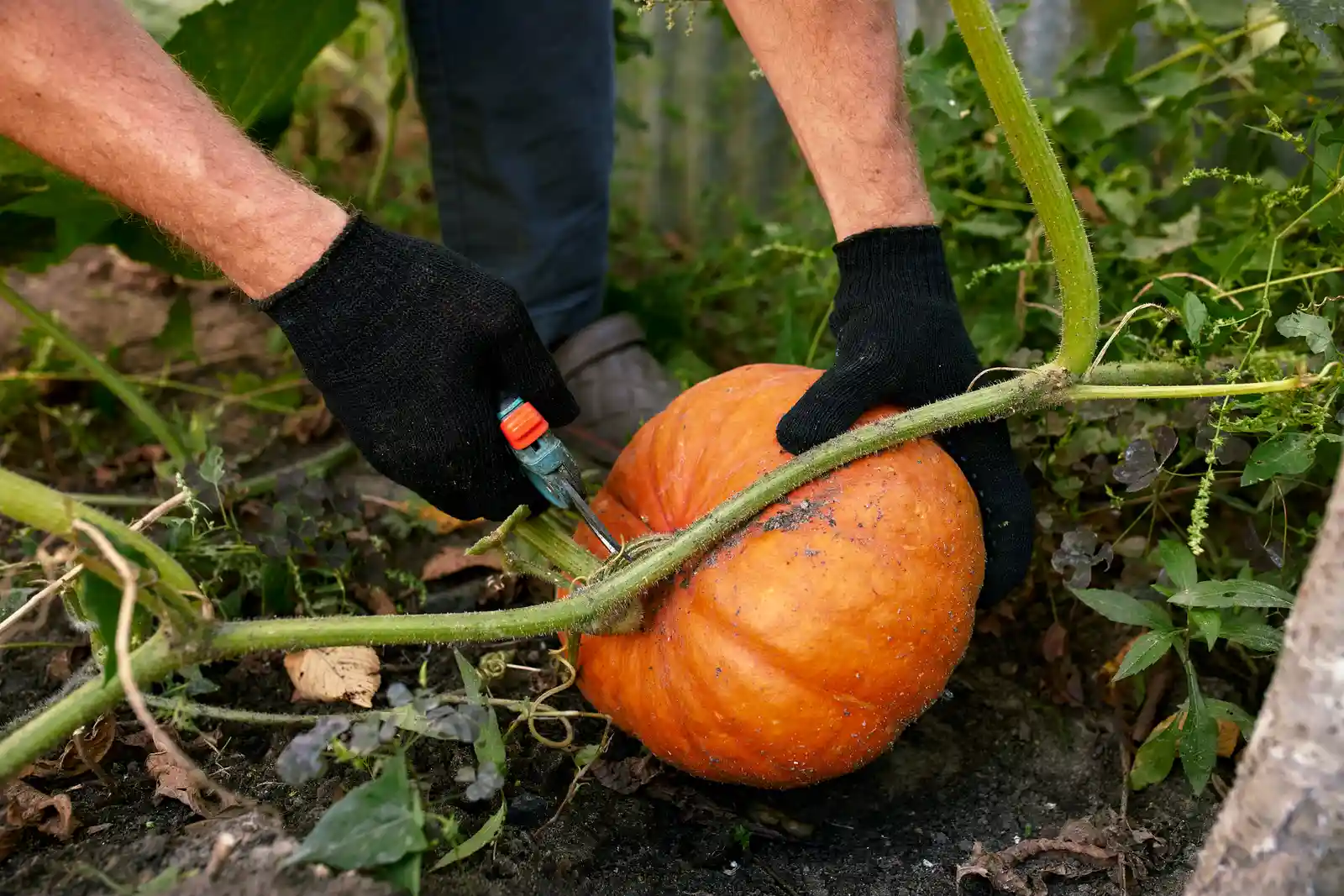
Your pumpkins are ready when the skin is deep in color, hard enough to resist a fingernail, and the stem has started to dry. Cut them with 3 to 4 inches of stem attached, and you’ll enjoy the full reward of planting pumpkin seeds.