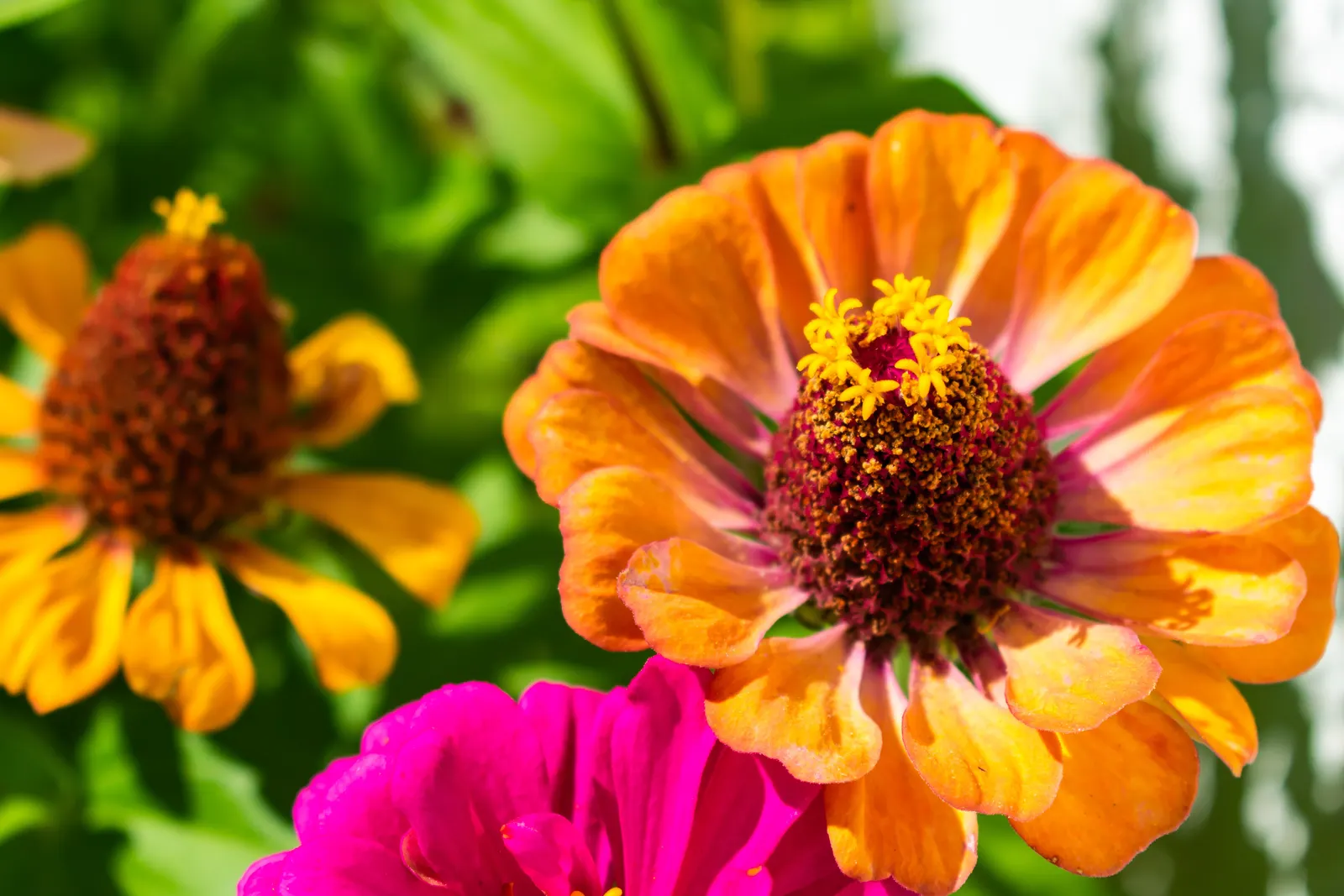
Planting Zinnia Seeds: An Easy Guide to Nonstop Summer Color
Planting zinnia seeds is one of the quickest ways to turn a bare patch into a burst of color. These cheerful annuals sprout in days and bloom about two months after sowing.
Zinnias are forgiving, which makes them perfect if you’re new to growing flowers from seed. They handle heat, shrug off dry spells, and keep blooming until the first frost.
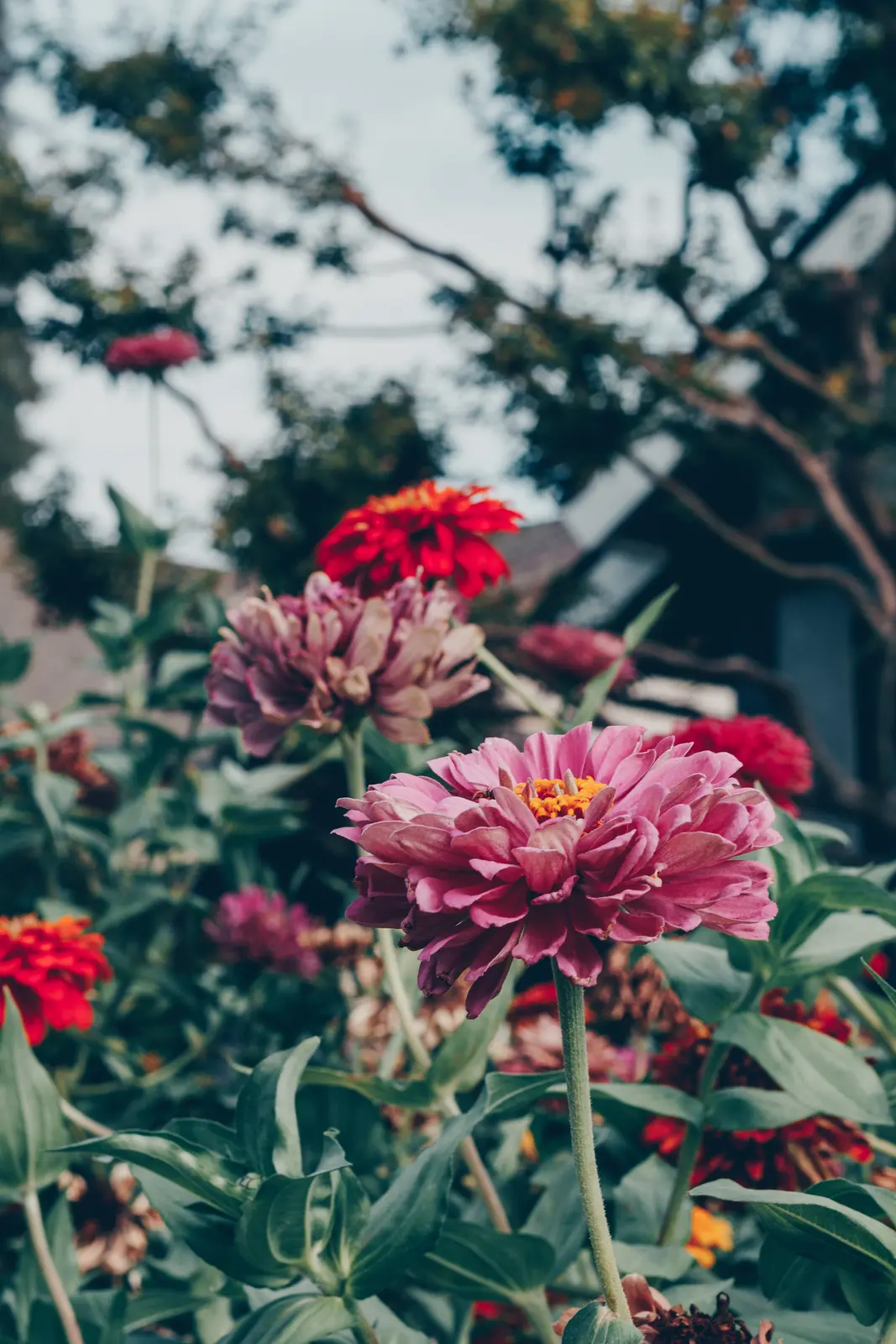
You’ll find them in almost every color except true blue, from soft pastels to bold reds and limes. Plant heights range from compact 6-inch edging types to 4-foot cutting varieties.
Best of all, the more flowers you cut, the more your plants produce. This guide walks you through every step, from picking the right day to sow to keeping blooms coming all season.
When and Where to Plant Zinnia Seeds
Zinnias hate cold, so wait until all danger of frost has passed and your soil has warmed. Seeds germinate best when soil temperatures reach 70°F to 80°F (21°C to 27°C).
In most areas, that means sowing outdoors a week or two after your last frost date. If you live in a warm climate, you can keep sowing new rounds through early summer for flowers into fall.
Choose a spot that gets at least 6 to 8 hours of direct sun each day. More sun means sturdier stems, more flowers, and fewer problems with disease.
Zinnias aren’t fussy about soil as long as it drains well. Work in a few inches of compost before you sow to give roots an easy start.
How to Sow Zinnia Seeds Step by Step
Zinnias grow so fast that direct sowing in the garden usually beats starting them indoors. Their roots also dislike being disturbed, so seeds planted where they’ll bloom tend to perform best.
If you want an early start anyway, sow indoors 4 to 6 weeks before your last frost in biodegradable pots. You can then plant the whole pot without disturbing the roots.
Prepare the Bed
Loosen the top 6 to 8 inches of soil and rake it smooth. Pull weeds and remove stones so your tiny seedlings don’t have to compete.
Sow at the Right Depth
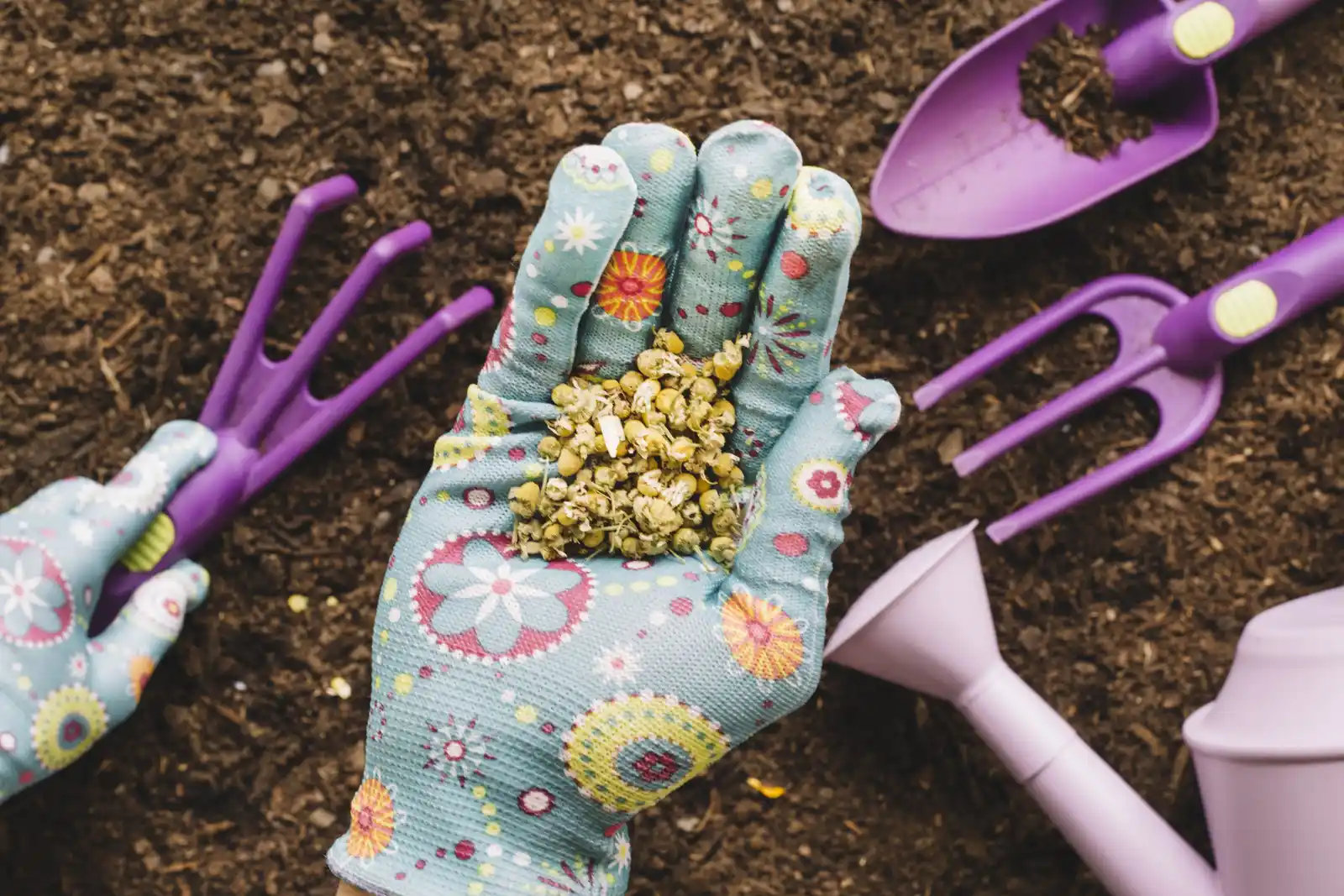
Plant zinnia seeds about 1/4 inch deep and cover them lightly with soil. Sow two or three seeds per spot to make up for any that don’t sprout.
Space for Airflow
Leave 6 to 12 inches between compact varieties and 12 to 18 inches between tall cutting types. Generous spacing keeps air moving and helps prevent powdery mildew later.
Water Gently and Consistently
Keep the soil evenly moist until seedlings appear, usually within 4 to 7 days. Use a gentle spray so you don’t wash the seeds out of place.
Thin Your Seedlings
Once seedlings have their first true leaves, snip the weaker ones at soil level. Leaving only the strongest plant in each spot gives it room to grow bushy.
Pinch for More Flowers
When plants reach 8 to 12 inches tall, pinch off the top just above a set of leaves. This simple step encourages side branches and multiplies your blooms.
Caring for Zinnias After Planting
Once established, zinnias need about an inch of water per week. Water at the base of the plant in the morning, since wet leaves invite mildew.
Cut or deadhead faded flowers regularly to keep new buds forming. For bouquets, harvest stems when blooms are fully open and the stem feels firm just below the flower head.
Skip heavy fertilizer, which pushes leafy growth at the expense of flowers. A little compost at planting time is usually all your zinnias need.
With the right timing, sun, and spacing, planting zinnia seeds gives you armloads of flowers for very little effort. Sow a fresh row every few weeks in early summer, and your garden stays colorful until frost.